Introduction
In the maritime industry, ensuring that vessels operate safely and efficiently is a top priority. One of the most critical processes in ship maintenance is dry docking. This procedure allows shipyards and repair facilities to inspect, repair, and upgrade vessels in a controlled environment. At Oceandro, our advanced dry dock facilities are designed to handle complex projects with precision and efficiency.
What is Dry Docking?
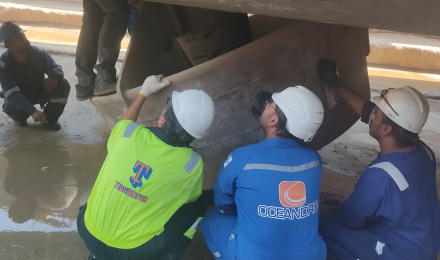
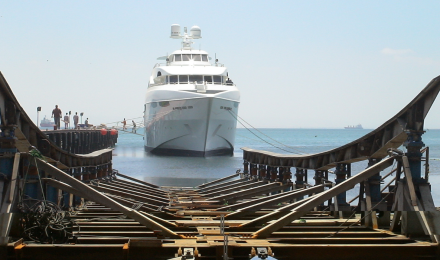
Dry docking is the process of moving a vessel from water into a specialized dock where it can rest on a stable platform. This makes it possible to access parts of the ship that are normally submerged, such as the hull, propellers, and rudders. Regular dry docking is not only required by maritime regulations but also essential for keeping vessels seaworthy.
Key Benefits of Dry Docking
-
Hull Maintenance: Inspection and cleaning of the hull prevent biofouling, rust, and damage.
-
Safety Compliance: Ensures vessels meet international standards like IMO and classification society requirements.
-
Upgrades & Modifications: Allows shipowners to install new systems, improve efficiency, or retrofit eco-friendly technology.
-
Extended Vessel Lifespan: Prevents long-term damage and reduces the risk of costly breakdowns at sea.
Oceandro’s Dry Dock Facilities
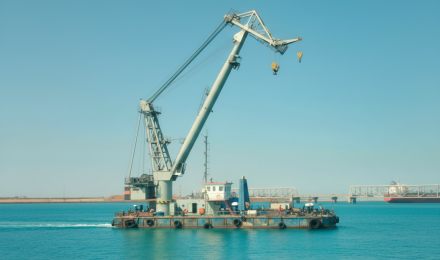
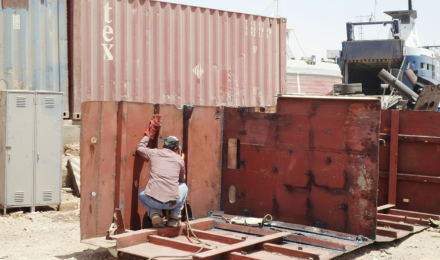
Our dry dock is equipped to handle vessels up to 110m in length and 3,000 tons docking capacity, supported by modern cranes and specialized machinery. This enables us to serve a wide range of clients, from cargo ships to service vessels, with the highest level of expertise and efficiency.
Conclusion
Dry docking is an essential part of a vessel’s lifecycle. By choosing a trusted partner like Oceandro, shipowners can ensure their vessels remain safe, efficient, and compliant with international regulations.