The global maritime industry is entering a new era where sustainability and compliance are no longer optional — they are essential. As vessels reach the end of their operational life, shipowners face a critical decision: how to dismantle and recycle their ships responsibly while meeting international regulations and protecting the environment.
This is where sustainable ship recycling comes in. Beyond being an eco-friendly practice, it’s also a cost-efficient solution that contributes to the global circular economy. At Oceandro Shipyard, we specialize in safe, compliant, and sustainable ship dismantling and recycling, helping shipowners transform end-of-life vessels into opportunities.
In this article, we’ll explore why sustainable ship recycling is the future of the maritime industry, and why Oceandro is a trusted partner in this vital process.
The Problem with Traditional Shipbreaking
For decades, much of the world’s shipbreaking has been done in unsafe conditions, often on beaches in South Asia where environmental and worker safety standards are poor. This practice — known as “beaching” — results in:
-
Hazardous waste leaking into oceans and coastal areas.
-
Unsafe working conditions leading to serious injuries and fatalities.
-
Valuable materials wasted instead of recycled effectively.
With increasing global scrutiny, regulators, investors, and shipping companies are moving away from these practices and demanding safer, eco-friendly recycling solutions.
Why Sustainable Ship Recycling Matters
-
Environmental Protection
Ships contain hazardous materials such as asbestos, oils, and heavy metals. Without proper dismantling, these substances can cause irreversible harm to marine ecosystems. Sustainable ship recycling ensures safe extraction and disposal in line with IMO and IACS protocols. -
Circular Economy Contribution
Recycling steel, aluminum, and other non-ferrous metals reduces the demand for raw materials. Every recycled vessel contributes thousands of tons of reusable resources back into the global supply chain. -
Regulatory Compliance
International frameworks like the Hong Kong Convention and EU Ship Recycling Regulations now require shipowners to dismantle vessels at certified, environmentally responsible facilities. Non-compliance can result in penalties, reputational damage, and restricted trade opportunities. -
Cost Efficiency
Responsible recycling not only avoids penalties but also creates revenue streams. Reselling second-hand parts and materials reduces costs for other operators while providing financial returns to shipowners.
Oceandro’s Approach to Ship Recycling
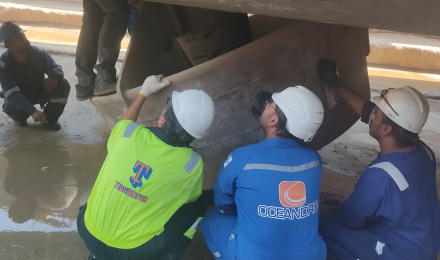
At Oceandro Shipyard, we combine environmental responsibility with operational efficiency. Here’s how we set new standards in sustainable ship recycling:
-
Certified Processes: We adhere strictly to IACS, ISO, and IMO guidelines, guaranteeing global compliance.
-
Safe Hazardous Waste Handling: Hazardous materials are carefully identified, removed, and treated to avoid environmental damage.
-
Advanced Facilities: Our dry dock and repair hangars are equipped to manage dismantling projects with precision and safety.
-
Material Recovery & Recycling: Steel, aluminum, copper, and non-ferrous metals are reclaimed and redirected into the global supply chain.
-
Reuse of Marine Parts: Usable equipment and components are refurbished and resold, extending their lifecycle and supporting industry cost-efficiency.
Key Benefits for Shipowners
By partnering with Oceandro, shipowners gain:
-
 Full Compliance with IMO, IACS, and ISO standards.
 -
Reduced Environmental Impact through eco-friendly dismantling.
-
Financial Value from reclaimed materials and parts.
-
Reputation Advantage by demonstrating corporate responsibility.
-
Efficient Project Execution from a trusted, experienced shipyard.
The Bigger Picture: Sustainability in the Maritime Industry
Global shipping accounts for nearly 90% of world trade, and with thousands of vessels being decommissioned in the coming decades, the industry faces a clear choice: continue harmful practices or embrace sustainable recycling.
By choosing responsible ship recycling, the industry not only reduces its carbon footprint but also actively contributes to the UN’s Sustainable Development Goals (SDGs), particularly in areas of climate action, responsible consumption, and sustainable industry practices.
At Oceandro, we see ship recycling not as the end of a vessel’s journey, but as a way to create lasting value for the industry and the environment alike.
Final Thoughts
The future of the maritime industry depends on practices that balance profitability with responsibility. Sustainable ship recycling is at the heart of this transformation — turning end-of-life vessels into resources, opportunities, and positive environmental impact.
With its certified processes, eco-friendly approach, and commitment to excellence, Oceandro Shipyard is proud to be at the forefront of this global shift.